Key takeaways
9 min read
Key point 1
The sill ledge is the base at the bottom of the window opening; the window sill is the profile that finishes it off and sends rainwater away from the facade.
Key point 2
Without proper protection, water pools on the sill ledge and ends up either seeping into the wall or leaving stains and streaks on the facade.
Key point 3
The technical key is the drip edge: a small ridge on the profile that breaks the sheet of water and forces it to fall clear of the wall.
Key point 4
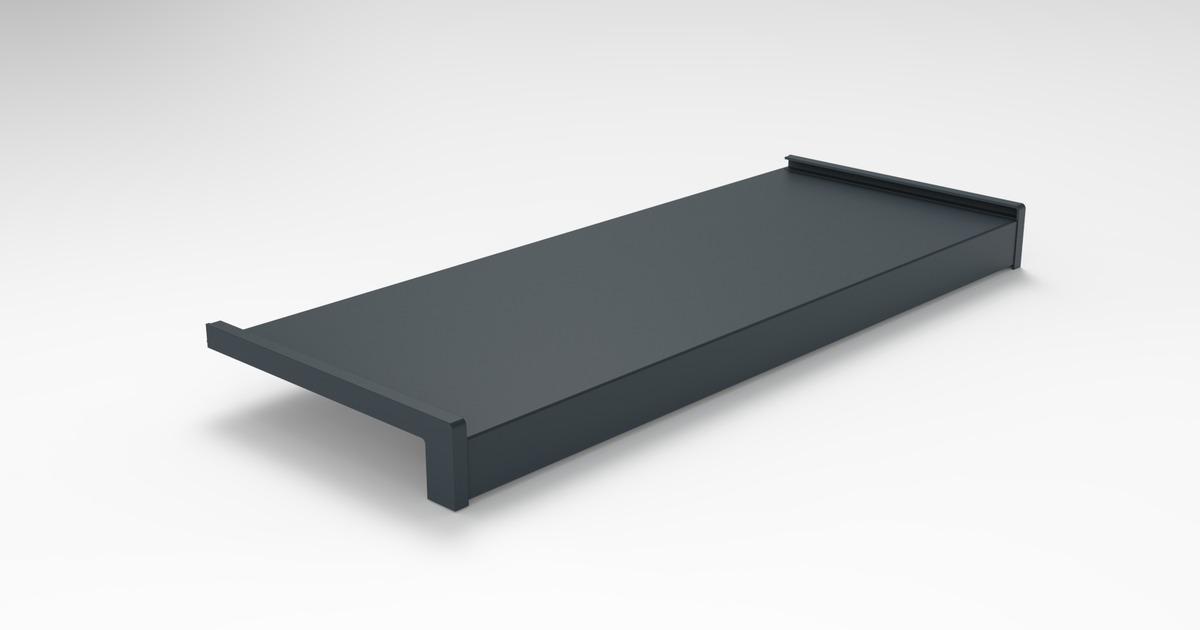
The ends are the other weak point: ALU-DROP® end caps close off the cut edges of the window sill and stop water escaping sideways toward the wall.
Key point 5
Powder-coated aluminum is the most durable solution compared with stone, concrete, or mortar, which are porous and break down over time.
In this article
- What a Sill Ledge Really Is
- Sill Ledge or Window Sill: What's the Difference
- Why Water Is the Sill Ledge's Biggest Enemy
- The Drip Edge: How the Profile Keeps Water Off the Facade
- The Ends: The Weak Spot Almost Nobody Checks
- Materials: Why Aluminum Comes Out on Top
- With or Without a Rear Upstand: Which One to Choose
- Signs Your Sill Ledge Needs Protection
- Common Mistakes
- What the Regulations Say
- Aluminum Window Sills and ALU-DROP® End Caps by Industrias Mas
- Frequently asked questions
The sill ledge is one of those parts of a house nobody pays attention to — until a damp patch shows up under the window, or a dark streak runs down the facade. It's an especially exposed spot: it catches all the water sliding down the glass and the frame, and if that water isn't carried away properly, it ends up somewhere it shouldn't. This guide explains exactly what a sill ledge is, how it differs from a window sill, why water is its number one enemy, and how to protect it for the long run — with the right profile, a properly designed drip edge, and well-closed ends.
Section 02
What a Sill Ledge Really Is
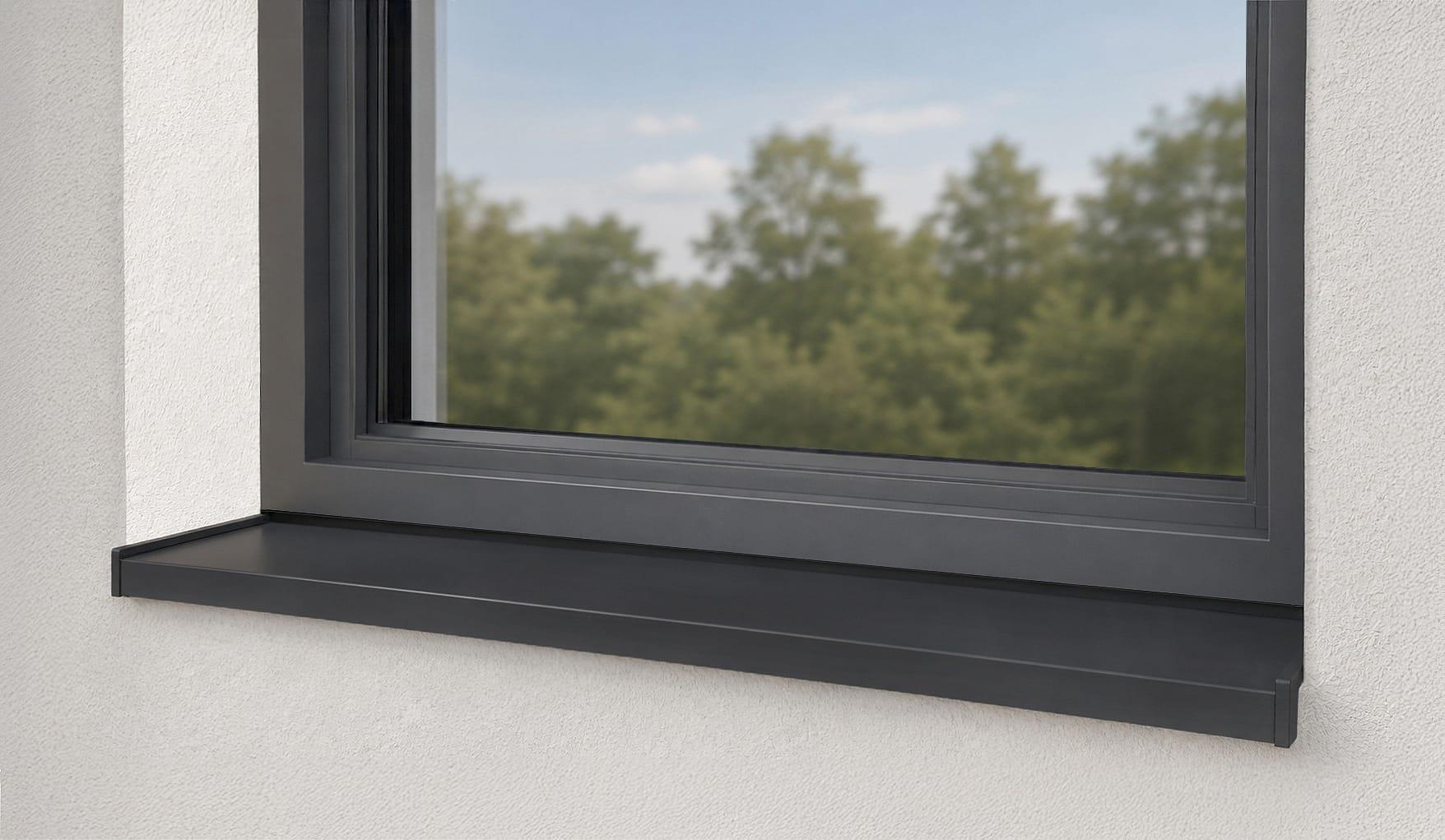
The sill ledge is the horizontal surface that forms the bottom of a window opening, both indoors and out. It's the window's 'floor' — the base the frame rests on. On its exterior face, the sill ledge does a job that goes well beyond looks: it has to collect the water running off the glass and the frame and send it back outside, instead of letting it pool or soak into the wall. A sill ledge with no slope, made from a porous material, or badly finished becomes a direct route for damp to reach both the inside of the building and the facade.
Section 03
Sill Ledge or Window Sill: What's the Difference
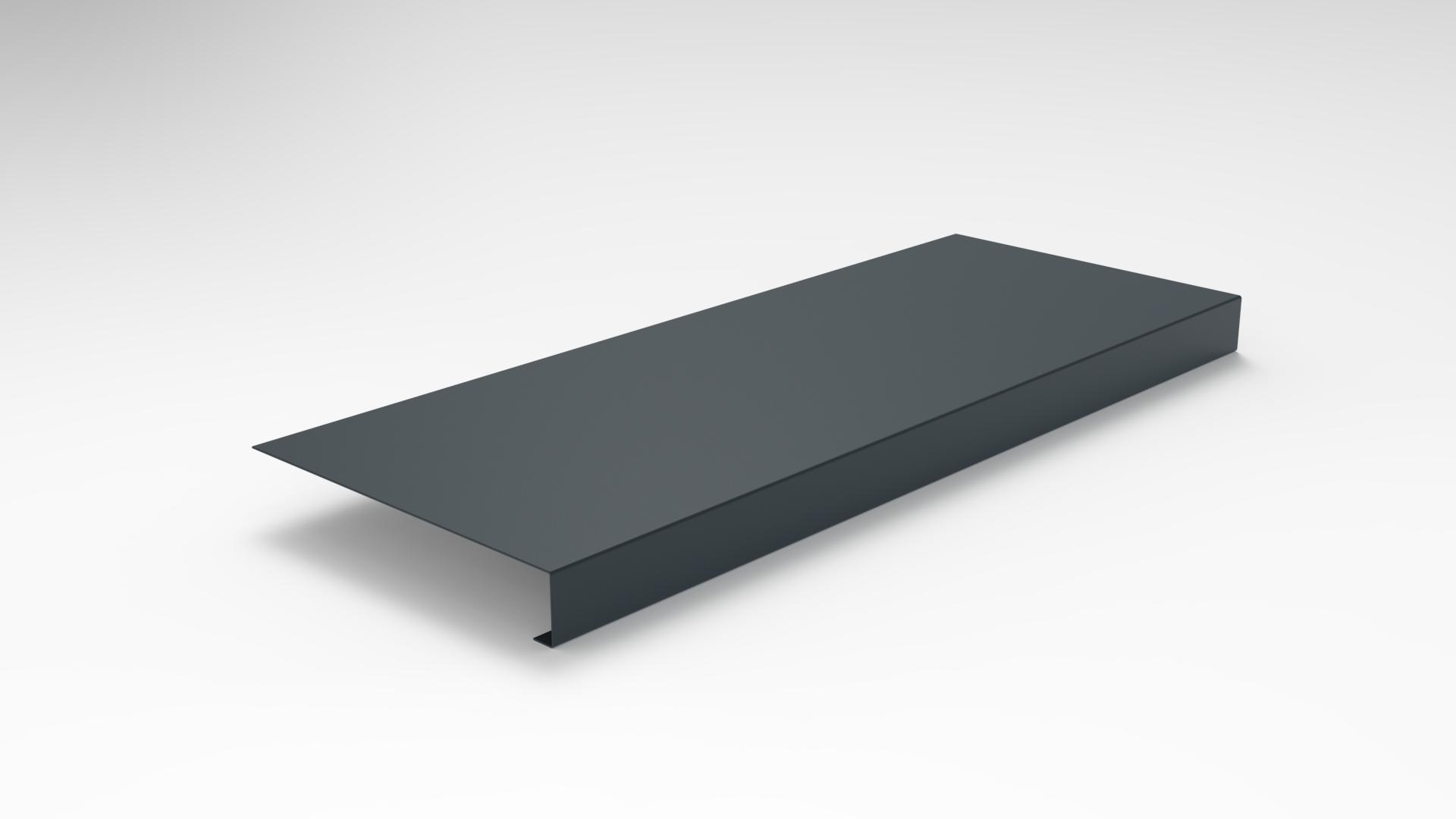
These two terms get mixed up constantly, so it's worth setting them apart. The sill ledge — sometimes called a window cill — is the structural element: the base at the bottom of the opening. The window sill is the piece, usually an aluminum profile, fitted on top of that ledge to finish it off and, above all, to send water somewhere else. Put simply: the sill ledge is the part of the window that needs protecting; the window sill is the product that protects it.
That system has two parts that work together and shouldn't be confused. The window sill profile itself collects the water and throws it clear at its front edge, and the end caps close off the two ends of the profile. At Industrias Mas, those end pieces are the ALU-DROP® end caps. Each one solves half the problem, and if either fails, water finds a way through.
Section 04
Why Water Is the Sill Ledge's Biggest Enemy
The outer face of the sill ledge takes on water constantly: rain falling directly on it, water running off the glass, condensation from the frame. If that water isn't sent away properly, three things happen. First, it pools on the ledge and, over time, finds any crack or joint to seep into the wall. Second, it runs down flush against the facade and leaves those dark streaks and stains under the window — a very common cosmetic problem. Third, in cold climates, trapped water freezes and thaws repeatedly, and that freeze-thaw cycle breaks down porous materials like mortar or concrete.
A good window sill is designed to stop this process at the source: it collects the water, gives it a slope toward the outside, keeps it clear of the wall before it drops, and — just as importantly — stops it escaping out the sides.
Section 05
The Drip Edge: How the Profile Keeps Water Off the Facade
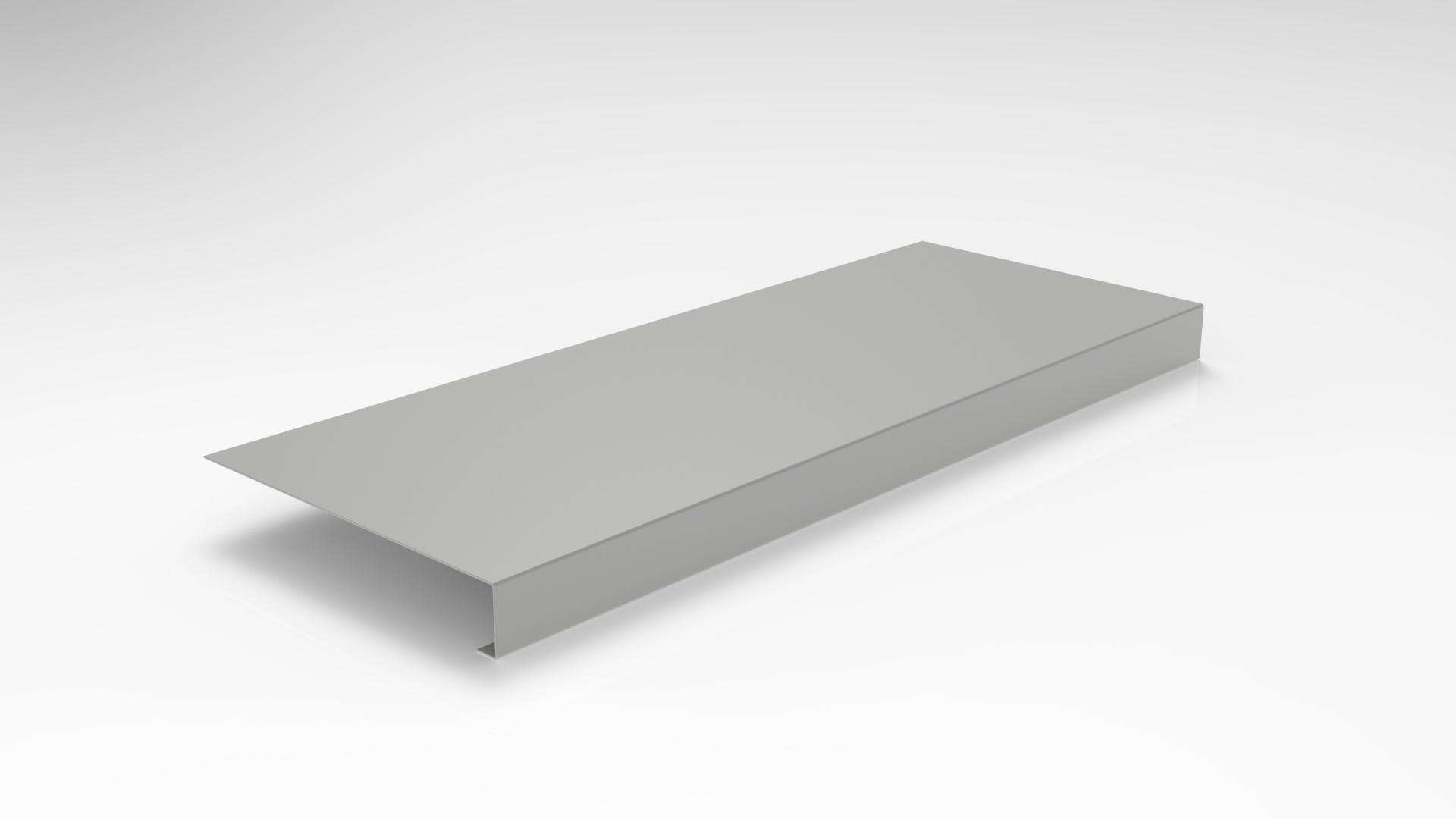
The element that makes a window sill actually work is the drip edge, also called a drip profile. It's a small ridge or fold along the front edge of the profile that breaks the water's surface tension. Without a drip edge, water tends to creep under the piece and travel back to the wall by capillary action — exactly what you're trying to prevent. With a drip edge, the sheet of water breaks off cleanly at that edge and falls clear of the facade.
It's a small detail, but it makes all the difference. Plenty of stained sill ledges aren't failing because of the material — they're failing because the front edge of the profile never had a proper drip edge built in. That said, the drip edge only handles the water leaving from the front. It does nothing for water escaping out the sides. That's where the other half of the solution comes in.
Section 06
The Ends: The Weak Spot Almost Nobody Checks
A window sill can have a perfect drip edge and still leave the facade stained. The cause is usually at the ends of the profile. If the cut edges are left open, water running across the surface takes the path of least resistance: it slips out sideways, runs down the jamb, and travels down the wall right next to it. That's why those dark streaks so often show up at the sides of a window rather than in the middle.
End caps exist to shut off exactly that route. At Industrias Mas, that piece is the ALU-DROP® end cap: it finishes off each end of the window sill, seals the cut edge, and forces the water out where it's supposed to go — through the front, via the drip edge — instead of spilling toward the jamb and the wall. It's made from UV-resistant thermoplastic and simply snaps into place, no screws or silicone needed, for a clean, lasting finish.
Put another way: the profile collects the water and the drip edge releases it away from the wall, but it's the ALU-DROP® end caps that stop it escaping out the flanks. That's why it's worth always ordering the window sill with matching end caps, rather than leaving the ends to chance.
Section 07
Materials: Why Aluminum Comes Out on Top
Sill ledges have traditionally been finished in stone, mortar, precast concrete, or ceramic tile. All of them share the same drawback: they're porous materials that soak up water, stain, can crack under repeated freeze-thaw cycles, and need ongoing upkeep. Natural stone looks good but is heavy and expensive; mortar and concrete break down over the years.
Powder-coated aluminum offers a cleaner, longer-lasting fix. It doesn't absorb water, doesn't rust, is lightweight, can be made to the exact measurement needed, and finishes in any RAL color. Our window sill profile is made from 1.5 mm aluminum with a textured powder coat that resists corrosion, UV and scratches, giving it a long service life with next to no maintenance. For most facades, it's the best balance of durability, looks, and cost.
Section 08
With or Without a Rear Upstand: Which One to Choose
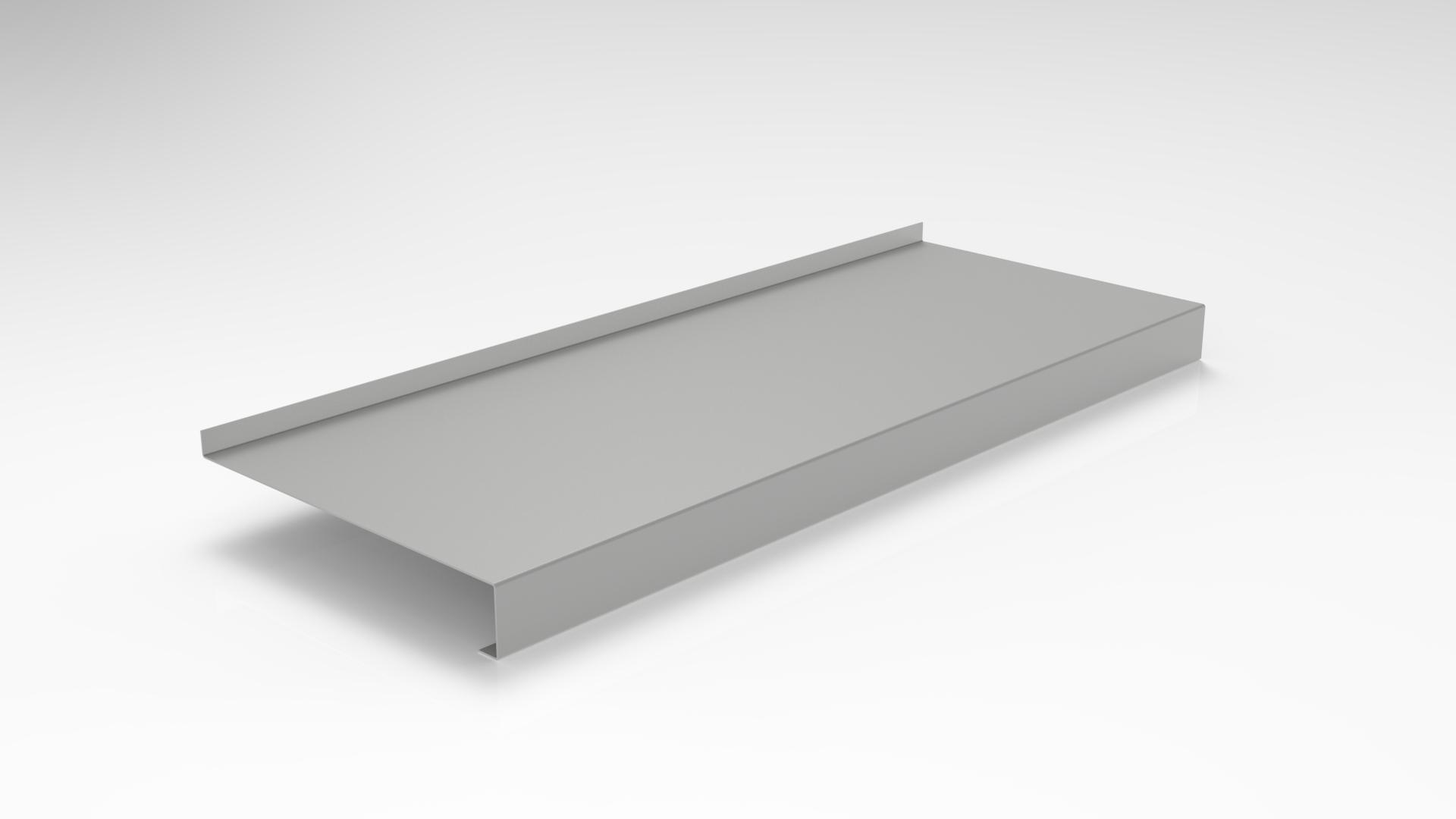
The aluminum window sill profile is made in two main configurations. The version without a rear upstand is the standard model: it redirects rainwater away from the wall and covers the vast majority of situations. The version with a rear upstand adds a small fold, around 10 mm, at the back that improves the seal where it meets the window and gives good support for the render.
The practical rule: on facades finished in monolayer render or with a SATE external insulation system, the version with a rear upstand is the better choice, since it improves the seal at that junction and avoids weak points. On conventional facades, the version without an upstand is usually enough. Either way, the ends still need closing off with end caps.
Section 09
Signs Your Sill Ledge Needs Protection
A handful of symptoms give away a poorly protected sill ledge: streaks or dark stains on the facade under windows — especially at the sides of the opening, a telltale sign of unclosed ends. Damp patches or peeling paint on the inside of the opening. Cracks in the sill ledge's mortar. Moss or grime building up where water has been sitting. And, in colder climates, small chips or flaking caused by absorbed water freezing. If you spot any of these, water is getting in — or running off — somewhere it shouldn't.
Section 10
Common Mistakes
The first is skipping the drip edge — without it, water heads straight back to the wall and the stains come right back. The second is leaving the ends of the profile open, since water will escape out the sides even if the front is handled perfectly. The third is choosing a porous material to save money and ending up with a sill ledge that breaks down within a few years. The fourth is getting the measurements wrong: the window sill needs to cover the full width of the opening and project far enough for the drip edge to do its job. And the fifth is relying entirely on silicone sealant, which cracks under sun and cold and eventually lets water through anyway.
Section 11
What the Regulations Say
Protecting facades against moisture is a core requirement of UK building design, and window sills are specified to BS 5642-1, with detailing guided by NHBC Standards. In practice, that means getting the critical junctions right — and where a window meets the wall is one of the most demanding — with elements that guarantee water is carried away and the facade stays protected. A window sill with a proper drip edge set clear of the wall face, the right outward slope, and well-finished ends is one of the standard ways of meeting that requirement at the sill ledge.
Section 12
Aluminum Window Sills and ALU-DROP® End Caps by Industrias Mas
At Industrias Mas we manufacture aluminum window sills made to measure for the exact depth of the sill ledge and the length of the window, in 1.5 mm aluminum with a textured powder coat, in four standard colors and any other RAL color to order. The profile includes the drip edge that redirects rainwater away from the wall, and the ends are closed off with ALU-DROP® end caps, made from UV-resistant thermoplastic and fitted by hand with no screws needed.
It's the combination that actually protects the building: the profile collects and expels the water at the front, and the ALU-DROP® end caps stop it escaping out the sides and staining the facade. With more than 10,000 projects completed and ISO 9001:2015 certification, it's a solution built to protect the sill ledge and the facade for the life of the building.
FAQ
Frequently asked questions
What's the difference between a sill ledge and a window sill?+
The sill ledge is the base at the bottom of the window opening. The window sill is the profile fitted on top of it to divert water and protect it. In everyday use, the two terms are often used almost interchangeably.
What exactly is the ALU-DROP® piece?+
It's the window sill's end cap: it closes off the ends of the profile and stops water escaping sideways toward the jamb and the wall. It simply snaps into place, with no screws or silicone needed.
Why do stains appear under my window?+
Almost always because water is running down flush against the facade instead of dropping clear of it. That's usually down to a missing drip edge on the front of the profile, or unclosed ends that let water spill out sideways.
What's the best material for a window sill?+
Powder-coated aluminum with a proper drip edge is the most durable option: it doesn't absorb water, doesn't rust, is lightweight, and can be made to measure. Stone, concrete, and mortar are porous and need more upkeep.
Do I need the version with a rear upstand?+
It's worth it on facades with monolayer render or a SATE system, since it improves the seal where the sill meets the window. On conventional facades, the version without an upstand is usually enough.
Is it made to measure?+
Yes. The profile is made to the exact depth of the sill ledge and the length of the window, with matching ALU-DROP® end caps to close off the ends.
Share