Key takeaways
6 min read
Key point 1
A chimney cap is the piece that crowns the smoke or ventilation outlet and works on three fronts: draft, rain entry, and wind action.
Key point 2
How it works comes down to geometry: a good shape harnesses wind to create suction above the duct's mouth and help smoke escape, rather than holding it back.
Key point 3
There are static caps, which work with no electrical consumption, and mechanical caps, with forced extraction; the static version handles most homes.
Key point 4
The standard material is polyester-painted aluminum; AISI 316L stainless steel is reserved for aggressive environments or more demanding fuels.
Key point 5
Measurements are taken on the flue or the finished masonry surround; if it doesn't match a catalog size, the sensible choice is to have it made to measure.
In this article
- What a Chimney Cap Is
- Chimney Cap, Cowl, or Chimney Pot: Is It the Same Thing?
- What a Chimney Cap Is For
- How It Works: The Physics of Draft
- Static or Mechanical Chimney Cap
- Which Material to Choose: Aluminum or Stainless Steel
- How to Know What Size and Cap You Need
- Common Mistakes When Choosing a Chimney Cap
- What the Regulations Say
- VENTUM® Chimney Caps by Industrias Mas
- Frequently asked questions
If you've made it this far, you probably have a flue outlet on your roof and one specific question in mind: what exactly is that piece crowning it, what is it for, and how does it make the chimney work better? A chimney cap looks like a simple decorative finish, but it performs a technical function that directly affects draft, protection from rain, and how the flue behaves when the wind blows. This guide explains what a chimney cap is, what it's for, the physics behind how it works, and how to choose the right one based on the flue, the fuel, and the surrounding environment.
Section 02
What a Chimney Cap Is
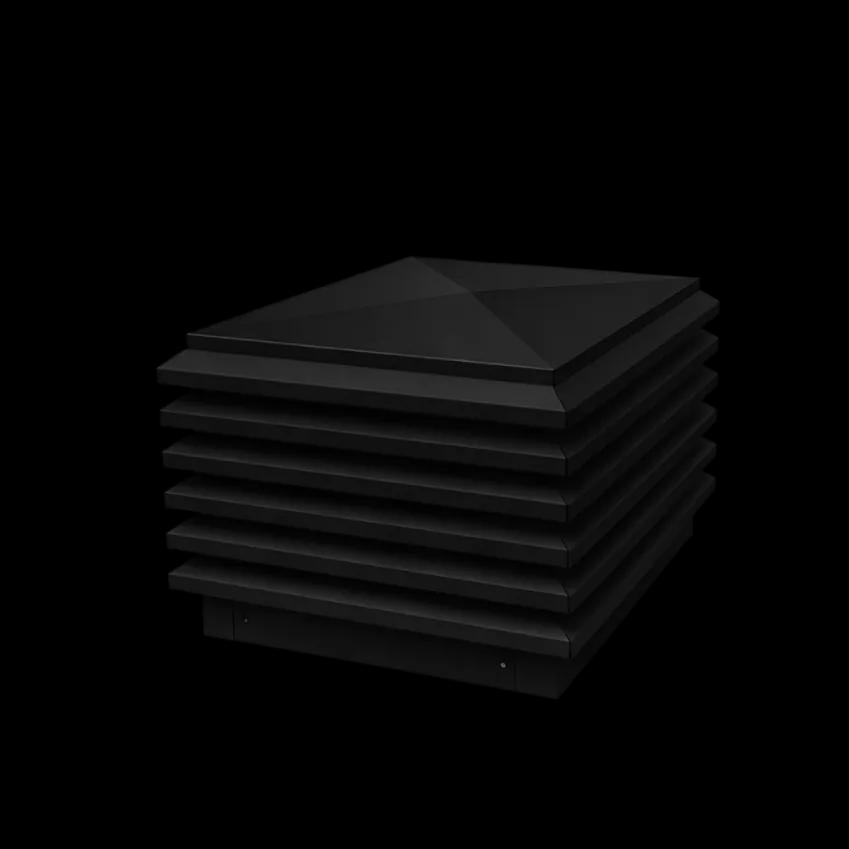
A chimney cap is the piece installed at the top of a flue or ventilation duct outlet. Its job is twofold: protect the mouth of the duct from outside elements and help air or smoke escape more easily. It's not just a decorative cover. A well-designed piece improves draft, limits direct rain entry, reduces the wind's negative effect on the outlet, and keeps leaves, dirt, or birds from getting into the duct.
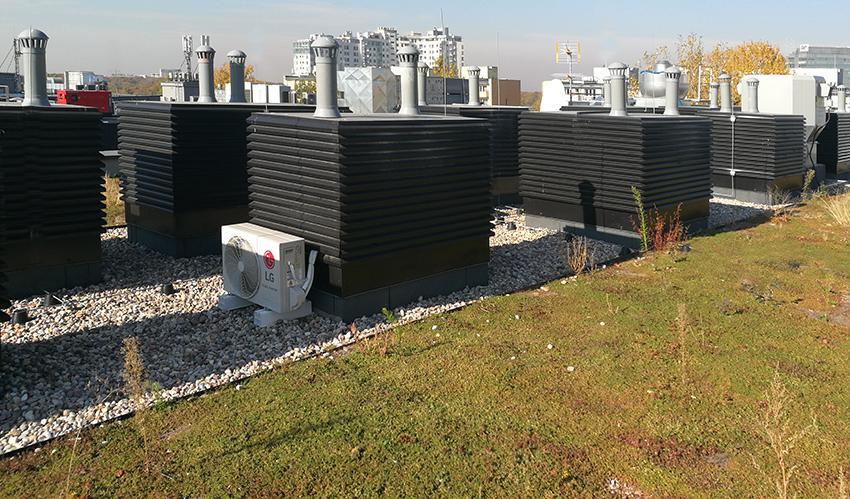
In residential installations it typically crowns the outlet of a wood stove, a decorative fireplace, a boiler, or a ventilation duct. In each case the piece changes in size and sometimes material, but the underlying goal is always the same: keep the duct working well and the outlet protected.
Section 03
Chimney Cap, Cowl, or Chimney Pot: Is It the Same Thing?
In everyday use, chimney cap, chimney cowl, flue cap, and chimney terminal are used almost as synonyms. Commercially they point to the same product family, so there's no issue using one term or another. Still, it's worth noting the nuance: cap or cowl is the term most common among homeowners and small renovators, while chimney terminal sounds more technical and fits better in construction, specification, or made-to-measure fabrication contexts. What matters isn't the name, but that the piece is correctly sized and properly designed for your flue.
Section 04
What a Chimney Cap Is For
The real usefulness of a chimney cap depends on the type of installation, but in general it addresses three very specific problems. The first is insufficient draft: when the piece's geometry is well designed, outside air can help create suction at the outlet and aid smoke evacuation. The second is exposure to water: the mouth of the duct is a highly exposed point, and a good cap limits direct rain entry inward. The third is instability caused by wind, which in certain flues causes smoke backflow.
It's worth not promising miracles. Not every draft problem is solved by the cap alone, since flue height, its path, the fuel, and the building's surroundings also play a role. Even so, compared to a poor or badly designed finish, a suitable piece clearly improves the flue's working conditions.
Section 05
How It Works: The Physics of Draft
Draft is the air current that carries smoke from the firebox to the outlet. It occurs because the hot air inside the duct is less dense than the cold air outside: being lighter, it tends to rise and escape, creating suction that draws in fresh air from below. A second mechanism adds to this: the effect of wind on the mouth of the duct.
This is where the cap's geometry comes in. When wind hits a well-designed piece, the air accelerates as it passes and creates a low-pressure zone right above the outlet. That suction helps extract the smoke, rather than pushing it back in. In contrast, an unprotected outlet or one with a poorly designed cover can end up exposed to wind pressing directly on the mouth and causing backflow. In short: the cap doesn't create draft out of nothing, but good geometry turns the wind into an ally instead of an enemy.
Section 06
Static or Mechanical Chimney Cap
The most useful classification for most buyers distinguishes between static and mechanical caps. A static cap harnesses wind and the piece's geometry to favor extraction without a motor or electrical consumption. It's the most common solution in homes and small installations where the flue already behaves reasonably and the goal is to protect the outlet and stabilize its performance.
A mechanical cap incorporates a forced-extraction system and is recommended when natural draft isn't consistently sufficient or when the project needs a more stable response to adverse conditions. It isn't automatically better — it's better only when the installation genuinely needs it. Starting with the static solution and reserving the motor for cases that justify it is usually the wiser decision.
Section 07
Which Material to Choose: Aluminum or Stainless Steel
One common mistake is thinking the most expensive material is always the best choice. In reality, the right material depends on the environment, the fuel, and how aggressive the installation's conditions are. Polyester-painted aluminum is the standard choice for most chimney caps because it combines light weight, corrosion resistance, and low maintenance. It's the best choice for normal residential or urban environments without particularly aggressive exposure.
AISI 316L stainless steel is reserved for more demanding environments: coastal areas, aggressive humid conditions, or pellet and biomass fireplaces with harsher condensates. The right decision isn't choosing a superior material in the abstract, but the one that matches your installation's actual use.
Section 08
How to Know What Size and Cap You Need
To get it right, it's worth reviewing the criteria in this order. First, the actual size: if the cap sits on a circular duct, the diameter must match the duct's interior; if it sits on a rectangular masonry surround, you need to measure the finished exterior width and length. Second, the fuel or use: a decorative fireplace, a wood stove, a pellet installation, and a ventilation outlet don't have the same needs. Third, the environment: proximity to the sea, humidity, wind exposure, or ambient dirt. Fourth, the flue's current behavior: if it already suffers backflow, don't choose based on looks alone. And fifth, the visible finish, because the piece also needs to blend in with the roof.
Section 09
Common Mistakes When Choosing a Chimney Cap
The first is choosing on price alone: on an outlet exposed to water, wind, and smoke, a poor choice ends up costing more later in maintenance and replacements. The second is measuring approximately; the piece should be ordered with the actual finished measurement. The third is ignoring the environment, because a coastal installation doesn't behave like an inland one. And the fourth is confusing aesthetic need with technical need: a piece looking good doesn't mean it's right for the flue. Function first, finish second.
Section 10
What the Regulations Say
In the UK, indoor air quality and the ventilation of habitable spaces are covered by Approved Document F, which sets minimum extract and supply rates for homes. Evacuation of combustion products, by contrast, is governed by separate regulations specific to the appliance and the installation. This doesn't mean there's a single valid cap for everything — it means the outlet must be designed appropriately for the use, the building, and the installed system.
Section 11
VENTUM® Chimney Caps by Industrias Mas
VENTUM® is Industrias Mas's range of chimney and ventilation caps, manufactured since 1968 in Tàrrega under ISO 9001:2015 certification. It's available in static and mechanical versions, in polyester-painted aluminum (3005 H44 alloy) or AISI 316L stainless steel, with anti-backflow design and made-to-measure fabrication for flues and masonry surrounds that don't fit standard sizes. When the priority is avoiding gaps, better protecting the outlet, and reducing improvised on-site adjustments, made-to-measure fabrication lets the piece adapt to the project instead of the other way around.
FAQ
Frequently asked questions
What is a chimney cap?+
It's the piece that crowns the smoke or ventilation outlet. It protects the mouth of the duct from rain, wind, and dirt, and helps improve draft.
Does the cap improve draft on its own?+
It helps, but doesn't do everything. Draft also depends on flue height, its path, the fuel, and the surroundings. A good cap turns the wind into an ally, but doesn't replace a properly sized flue.
Static or mechanical?+
The static version handles most homes with no electrical consumption. The mechanical version is reserved for flues with consistently insufficient draft or higher airflow requirements.
What material is best?+
Polyester-painted aluminum covers most residential projects. AISI 316L stainless steel is suited to coastal areas, aggressive environments, or fuels with harsher condensates.
When do I need one made to measure?+
When the flue or masonry surround doesn't match a standard size, has an irregular shape, or you need a specific RAL color. This avoids gaps and leaks.
Related product
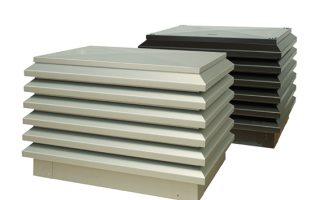
VENTUM®
Made-to-Measure Chimney Caps and Cowls
Made-to-measure chimney cap, static and mechanical
Share