Key takeaways
5 min read
Key point 1
Facade grilles enable passive ventilation with no electrical consumption, harnessing the stack effect: warm air rises and generates a continuous flow of fresh air through the building.
Key point 2
They're the usual means of meeting the minimum ventilation rate required by Approved Document F in homes, premises, and technical spaces.
Key point 3
They prevent moisture build-up, condensation, and overheating, cutting climate control costs and protecting the building's structure from mold and corrosion.
Key point 4
Industrias Mas's polyester-painted aluminum grilles are made to measure in any width and height, with 25 microns of polyester paint on both sides and concealed fixing for a clean finish on any facade.
Key point 5
Industrias Mas has manufactured aluminum grilles for construction since 1968, with over 10,000 projects completed in Spain under ISO 9001:2015 certification.
In this article
- What They Are and What They're For
- 1. They Improve Natural Ventilation With No Electrical Consumption
- 2. They Prevent Moisture and Condensation
- 3. They Increase the Building's Energy Efficiency
- 4. They Keep Out Water, Insects, and Pests
- 5. They Contribute to the Facade's Aesthetics
- 6. Easy to Install and Maintain
- 7. They Meet Current Technical Regulations
- Why Choose Industrias Mas
- Frequently asked questions
Facade ventilation grilles are one of the building's most cost-effective components: they cost little relative to the building, consume no energy, and are the difference between a healthy space and one with damp, bad odors, and stale air. Approved Document F identifies background ventilators as one of the main means of guaranteeing indoor air quality in homes and habitable spaces. Below are seven technical advantages that justify including them in any residential, commercial, or industrial project.
Section 02
What They Are and What They're For
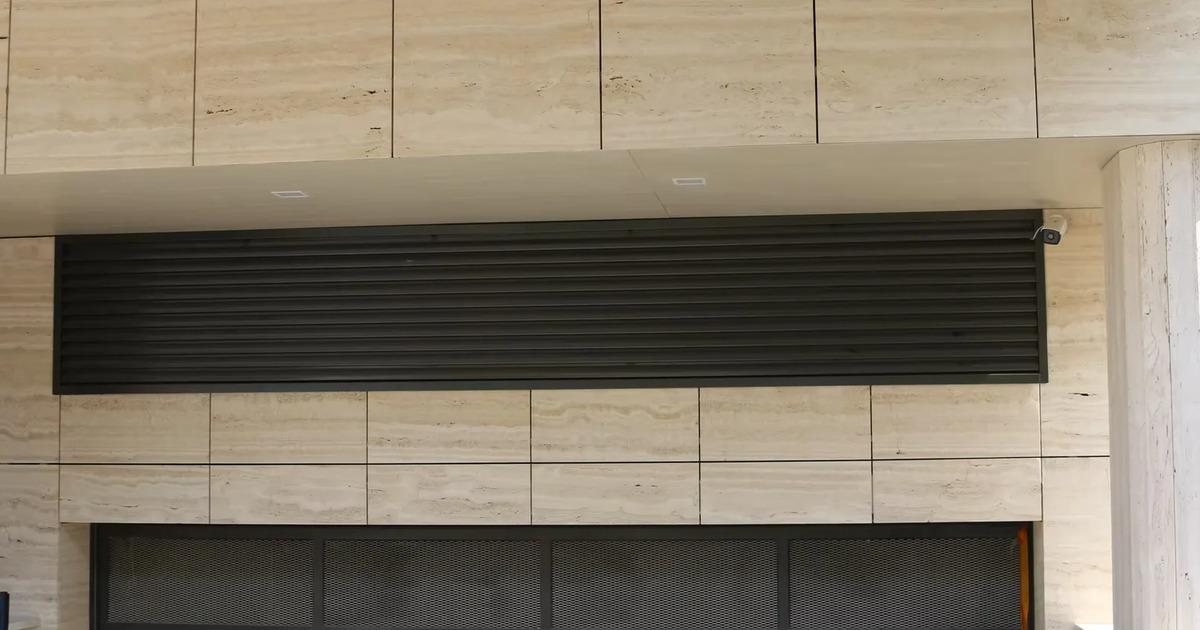
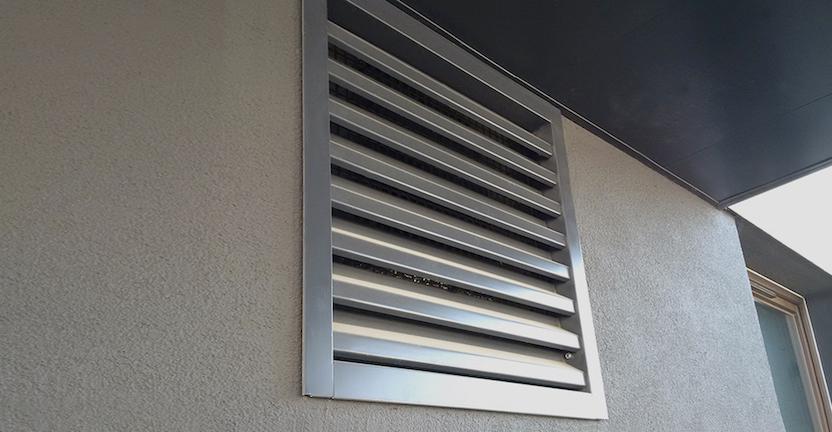
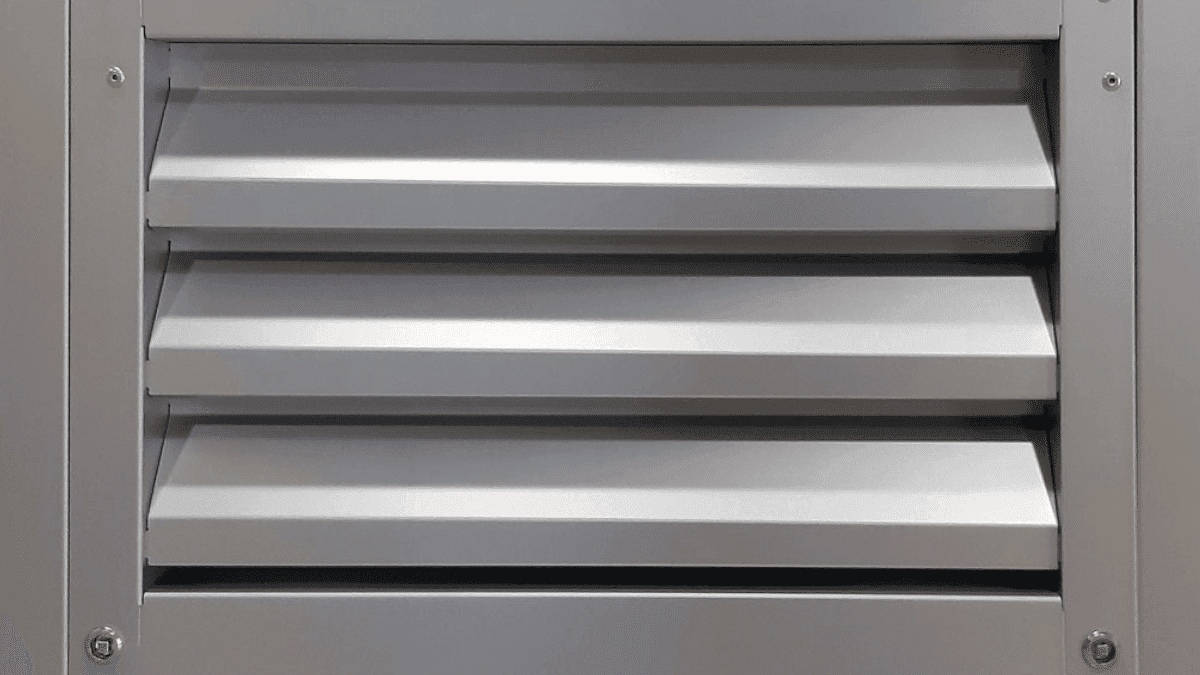
Facade ventilation grilles are panels with fixed louvers that allow controlled air entry and exit through the exterior envelope, while maintaining a barrier against rainwater, insects, leaves, and small birds. They're usually placed strategically at low points (fresh air intake) and high points (warm air outlet) to harness the stack effect: warm air rises due to its lower density, generating a continuous natural flow that renews indoor air with no electrical consumption. In ventilated facades and SATE external insulation systems, grilles also allow ventilation of the intermediate air gap, extending the insulation's service life.
Section 03
1. They Improve Natural Ventilation With No Electrical Consumption
They allow controlled air entry and exit from outside, favoring cross-ventilation between opposite facades. This reduces or eliminates the need for mechanical extractors in spaces where regulations allow passive ventilation, translating into lower operating costs and lower energy consumption. It's an especially effective solution in industrial buildings, warehouses, and commercial premises with large indoor air volumes.
Section 04
2. They Prevent Moisture and Condensation
Indoor air with high moisture content — generated by people, cooking, showers, industrial processes, or storage — needs an outlet. Grilles evacuate warm, humid air, especially in industrial kitchens, boiler rooms, agricultural buildings, and storage rooms. They stabilize indoor relative humidity, preventing condensation on walls and ceilings, protecting electronic and mechanical equipment from rust, and preventing mold and staining on the finish.
Section 05
3. They Increase the Building's Energy Efficiency
A poorly ventilated building overheats in summer and accumulates moisture in winter, driving up climate control demand. Grilles reduce that load: in summer, a well-designed cross-breeze lowers indoor temperature several degrees without switching on the air conditioning; in winter, controlled ventilation prevents the extreme moisture cycles that force the heating system to overwork. Combined with an efficient climate control system, grilles improve thermal comfort and cut the energy bill.
Section 06
4. They Keep Out Water, Insects, and Pests
The fixed louvers face downward and outward, blocking direct rain and snow entry even in windy conditions. The perforation lets air through but not leaves, coarse dust, insects, rodents, or small birds. For environments with extra requirements — food warehouses, healthcare facilities, technical installations — bird and insect mesh can be integrated into the frame. The result is clean, safe ventilation that extends the service life of ducts, equipment, and interior structures.
Section 07
5. They Contribute to the Facade's Aesthetics
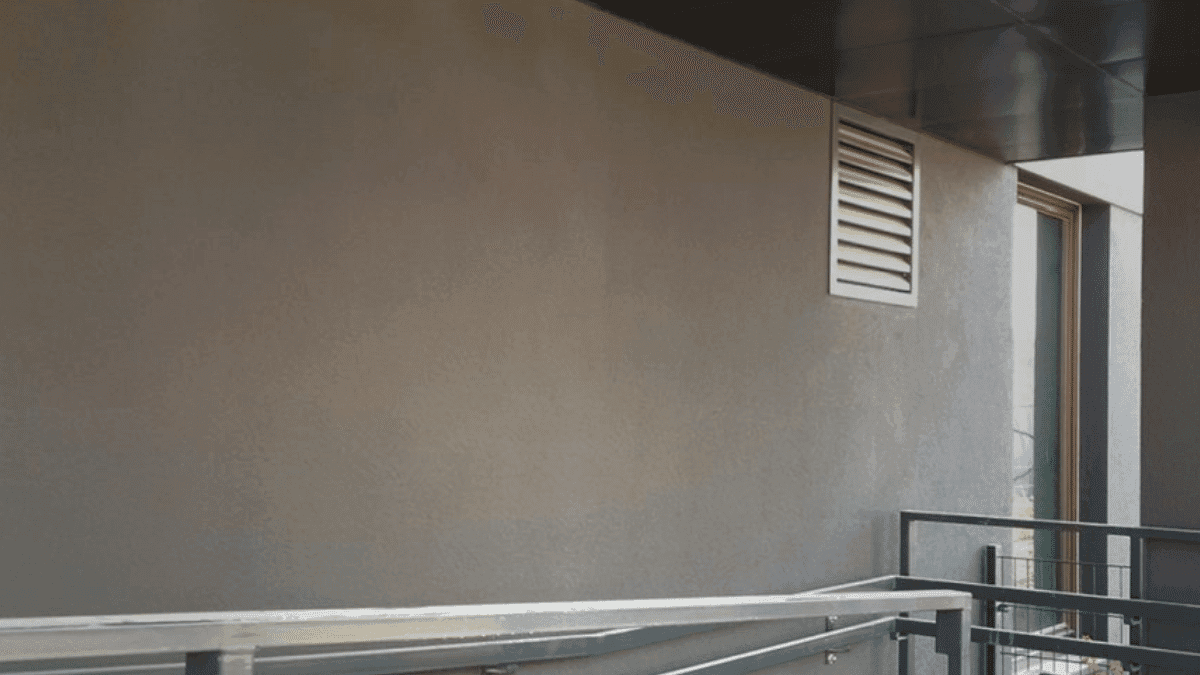
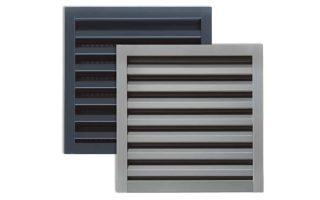
A well-designed grille doesn't disrupt the facade's harmony — it complements it. Polyester-painted aluminum grilles are delivered in five standard RAL colors — black (RAL 9005), anthracite (RAL 7016), dark grey (RAL 7022), natural (RAL 9006), and white (RAL 9003) — and in any other RAL color on request. Fixing with no visible screws gives a clean, professional finish, without the rusted or misaligned screw heads typical of standard grilles. In residential and commercial projects, this detail matters for preserving the building's aesthetic value.
Section 08
6. Easy to Install and Maintain
Industrias Mas's grilles fit directly onto the wall opening with no need for extra masonry work or new wall penetrations. The concealed fixing system hides the anchor screws, which speeds up installation and eliminates future rust points. Maintenance is limited to periodic cleaning with pressure water: polyester-painted aluminum with 25 microns of polyester on both sides needs no paint, doesn't corrode, and requires no additional anticorrosion treatments for decades.
Section 09
7. They Meet Current Technical Regulations
Approved Document F sets mandatory minimum ventilation rates for different types of habitable spaces: bedrooms, living rooms, kitchens, bathrooms, utility rooms, and sanitary accommodation. Facade grilles are the usual means of meeting these rates through background ventilation, and are sized based on the room's surface area and type of use. An undersized grille isn't just a potential compliance issue — it causes real air quality problems that affect occupants' health. Industrias Mas advises on correct sizing based on the project's drawings.
Section 10
Why Choose Industrias Mas
Industrias Mas has manufactured aluminum ventilation grilles in Tàrrega (Lleida) since 1968, with over 10,000 projects completed in Spain under ISO 9001:2015 certification. All grilles are made to measure for the opening, with fixed louvers, concealed fixing, and 25 microns of polyester paint on both sides. Quotes are prepared within 24 business hours, and made-to-measure fabrication takes 5 to 10 business days, delivered on-site across Spain.
FAQ
Frequently asked questions
What are facade ventilation grilles?+
Facade ventilation grilles are panels with fixed louvers or technical perforations installed on the building's exterior envelope. They allow controlled air entry and exit between indoors and outdoors, while maintaining a barrier against water, insects, and leaves. Industrias Mas manufactures them in polyester-painted aluminum, made to measure for the project's opening.
Why does ventilation matter on industrial building facades?+
In industrial buildings, facade ventilation prevents heat, smoke, and moisture build-up, cutting climate control costs, protecting the structure from condensation, and meeting Approved Document F's minimum requirements. In agricultural buildings, boiler rooms, and logistics centers it's also a safety requirement to prevent low-air-quality atmospheres.
What regulations govern ventilation grilles in Spain?+
In the UK, Approved Document F sets the minimum ventilation rates required in homes, commercial premises, and technical spaces. Ventilation grilles must be sized to meet these air-renewal requirements based on the space's type and surface area.
What material is best for an exterior facade grille?+
Polyester-painted aluminum is the material most used on exterior facades: it's lightweight, corrosion-resistant, needs no paint or maintenance, and comes in any RAL color to blend with the facade. Industrias Mas uses polyester-painted aluminum with 25 microns of polyester lacquer applied to both sides, guaranteeing UV and corrosion resistance for decades.
Are ventilation grilles visible from outside?+
They can be integrated very discreetly. Industrias Mas's grilles are made with no visible fixings (the screws are hidden by the frame) and polyester-painted in the facade's RAL color to minimize visual impact. There are five standard colors available — black, anthracite, dark grey, natural, and white — and any RAL color on request.
How long does it take to manufacture a made-to-measure grille?+
Quotes are prepared within 24 business hours. Standard orders in stock colors ship within 24-48 business hours; made-to-measure orders with special finishes take 5 to 10 business days. Delivery is made directly on-site across Spain.
Share