Key takeaways
6 min read
Key point 1
The most frequent mistake is choosing a material unsuited to the environment: for exteriors, always use powder-coated aluminum or stainless steel; never standard painted sheet metal, iron, or non-UV-resistant plastic.
Key point 2
Mismeasuring causes gaps, wind-induced vibration, and air leaks that reduce system performance; the opening should be measured in millimeters and at its final dimensions after cladding.
Key point 3
The grille's location determines its effectiveness: intake grilles go low in cold rooms, extraction grilles go high in wet rooms; reversing that logic cancels out cross-ventilation.
Key point 4
Loose fixing generates noise and vibration and reduces durability; screws should be applied in sequence and with pressure suited to the substrate, with no over-tightening.
Key point 5
Industrias Mas's grilles are made to the opening's exact measurements with concealed fixing, which eliminates two of the five typical mistakes from the moment of ordering.
In this article
- 1. Choosing the Wrong Material for the Environment
- 2. Mismeasuring the Opening
- 3. Placing the Grille in the Wrong Position
- 4. Loose or Uneven Fixing
- 5. Poor or Unnecessary Sealing
- Quick Summary: Five Checks Before Closing Out the Installation
- How Industrias Mas Reduces Mistakes From the Factory
- Frequently asked questions
A well-manufactured ventilation grille can be ruined by poor installation: performance is lost, vibration noise appears, air leaks emerge that reduce the system's effectiveness, and, in the worst case, the work has to be dismantled and redone. The good news is the most frequent mistakes are always the same five, and all of them are avoidable with a bit of care before and during installation. This guide reviews each one with practical tips to avoid them.
Section 02
1. Choosing the Wrong Material for the Environment
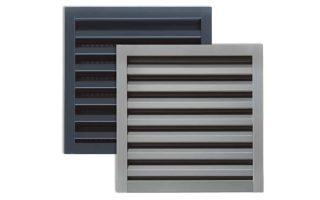
This is the most expensive mistake because it forces you to replace the whole grille once it starts to deteriorate. Standard painted sheet-metal grilles, untreated plastic, or ungalvanized iron don't hold up outdoors: they lose color within months, rust, or become brittle. For exterior facades you need to use aluminum powder-coated with polyester on both sides or, in particularly aggressive environments, stainless steel. Industrias Mas uses powder-coated aluminum with 25 microns of polyester lacquer applied to both sides of the profile, guaranteeing UV and corrosion resistance for decades with no maintenance. The profile's inner face (hidden against the wall) is also coated to protect it against possible condensation from the substrate.
Section 03
2. Mismeasuring the Opening
Incorrect measurements are the main cause of visible gaps, wind-induced vibration, and air leaks that reduce system performance. To measure correctly: take the width and height of the finished opening (after cladding, SATE, or coating is applied, not before); use millimeters, not centimeters; take several measurements in width and height and use the most restrictive one if there are differences; also measure the available depth to check the frame's recess; check there are no hidden installations behind the opening. If measurements are given to the manufacturer accurately, the grille will arrive ready to fit with no on-site adjustment.
Section 04
3. Placing the Grille in the Wrong Position
Location determines the ventilation system's effectiveness. In housing, fresh-air intake grilles go in dry rooms (living rooms, bedrooms) high on the wall or built into the window frame. Extraction grilles go in wet rooms (kitchens, bathrooms), also high up, as far as possible from the room's entrance. This layout harnesses the stack effect: fresh air enters through the cold rooms, travels through the home, and exits through the wet ones carrying humidity and odors away. Reversing that logic — placing extraction low or intake in a wet room — cancels out cross-ventilation and leaves pockets of stagnant air.
Section 05
4. Loose or Uneven Fixing
Installation with unevenly tightened screws causes vibration, annoying noise in windy conditions, and reduces the frame's durability. The practical rule: tighten screws in a crossed sequence (as you would when mounting a wheel), never one after another around the frame; use screws and wall plugs suited to the substrate (concrete, brick masonry, sandwich panel, aluminum profile); tighten with the pressure needed to fix the grille without warping the frame. On Industrias Mas's grilles, the fixing points are designed to be tightened from inside the frame, which leaves screw heads hidden and prevents later rusting.
Section 06
5. Poor or Unnecessary Sealing
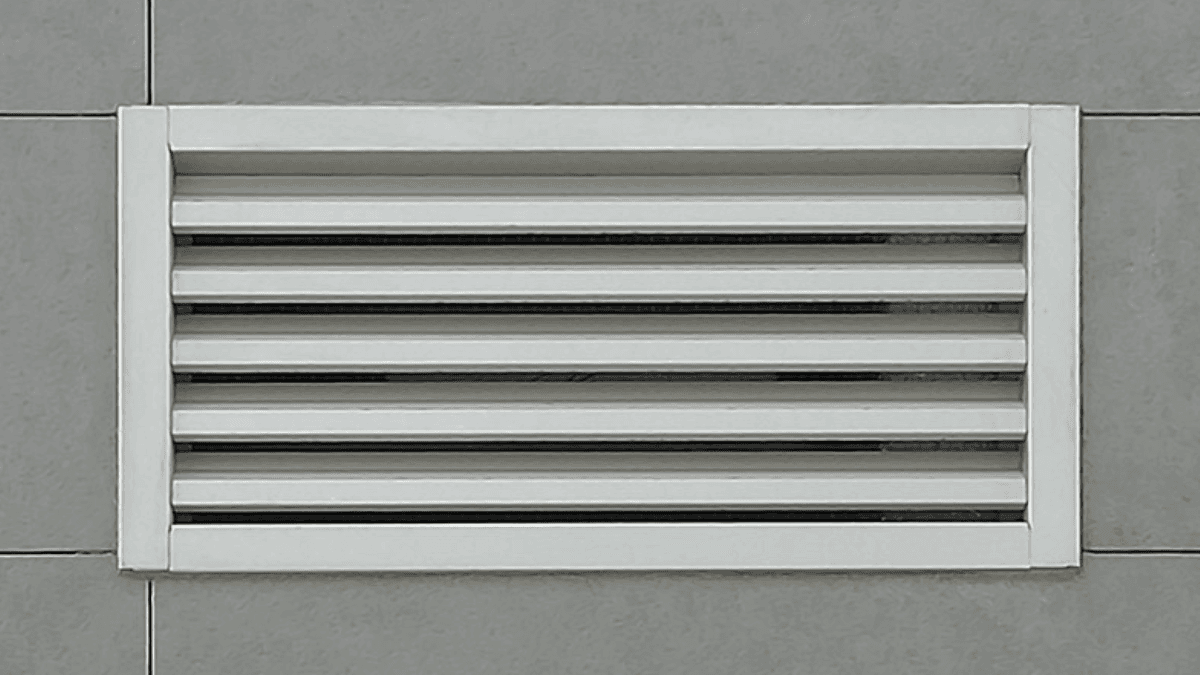
Two opposite but equally frequent mistakes: leaving unsealed gaps between the frame and the wall (which lead to air leaks and dust or water entry), or applying silicone on joints that don't need it (creating a future maintenance item once the silicone cracks). The rule is: if the grille is properly manufactured to the opening's measurements, it doesn't need perimeter silicone; if the opening is irregular or the frame doesn't fit perfectly, seal the necessary joints with a neutral silicone suited to facades and compatible with the aluminum's powder coating. Before considering the installation finished, check there's no visible gap or vibration when running your hand over the frame.
Section 07
Quick Summary: Five Checks Before Closing Out the Installation
Before considering the installation finished, it's worth checking five things in order: 1) Material suited to the environment (powder-coated aluminum for standard exteriors). 2) Grille made to the opening's exact dimensions, with no visible gaps or need for on-site cutting. 3) Correct position (low or mid intake in a dry room; high extraction in a wet room). 4) Screws tightened in a crossed sequence, with no play to the touch. 5) Perimeter joint sealed only if necessary, with a neutral, compatible silicone. If all five are right, the system will run for decades.
Section 08
How Industrias Mas Reduces Mistakes From the Factory
Industrias Mas's ventilation grilles are designed to minimize three of the five typical mistakes before they even leave the factory. They're made to the exact opening dimensions, which eliminates gaps and the need for on-site cutting. They come with concealed fixing and screws built into the frame, which ensures even tightening and eliminates visible heads. The aluminum is powder-coated with 25 microns of polyester on both sides, ruling out any corrosion issue on exterior facades. Installation is reduced to positioning the grille, screwing it in sequence, and checking the fit — tasks an experienced installer handles in a few minutes.
FAQ
Frequently asked questions
What's the most serious mistake when installing a ventilation grille?+
Choosing the wrong material for the environment. A painted sheet-metal grille on an exterior facade or a non-UV-treated plastic grille in a sunny area will start to deteriorate within less than a year, with color loss, rust, and, in extreme cases, breakage. It's the most expensive mistake because it forces you to replace the whole grille, along with the work that involves.
How do you correctly measure the opening for a made-to-measure grille?+
You need to measure the width and height of the finished opening (not the raw opening before cladding or SATE) in millimeters, taking several measurements and using the most restrictive one if there are differences. It's also important to measure the available depth and check there are no hidden elements behind the opening (installations, ducts) that would limit the frame's recess depth.
Where does an extraction grille go in a home?+
In wet rooms (kitchen and bathroom), high on the wall or ceiling, as far from the door as possible. Warm, humid air rises due to its lower density; placing the grille high extracts it most efficiently. Fresh-air intake grilles, by contrast, go in dry rooms (bedrooms and living rooms) high on the wall or built into the window frame.
Do you need to apply silicone around an exterior grille?+
Only if the joint between the grille's frame and the wall requires it due to substrate irregularity. Grilles properly manufactured to the opening's measurements fit with minimal play and don't need perimeter silicone, which avoids a future maintenance item. If silicone is applied, it should be neutral, suited to facades, and compatible with the aluminum's powder coating.
What happens if the grille doesn't fit the opening exactly?+
Most often the opening has a mortar burr or an irregularity preventing the fit. Cleaning the perimeter and trying again usually solves the problem. If it doesn't fit because the requested measurements don't match the actual opening, contact Industrias Mas before forcing the piece: a new made-to-measure grille is manufactured within a few days, much faster than repairing damage caused by forcing the fit.
How long does it take to install an Industrias Mas grille?+
A properly sized standard grille installs within minutes: it's placed on the opening and screws are fixed through the points built into the frame. No masonry work or additional wall drilling is needed, drastically cutting the time compared to grilles requiring recessing or later sealing.